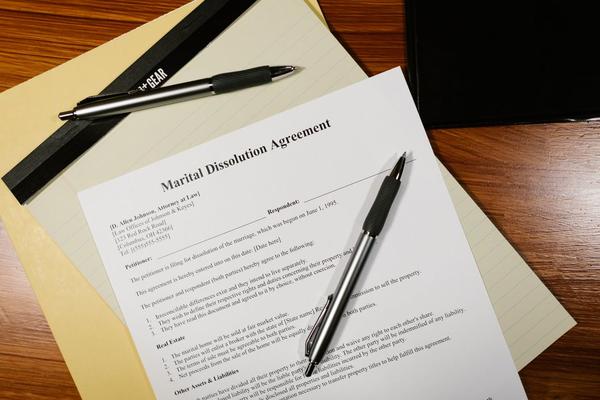

Filing for divorce is less about finding one universal set of forms and more about following the rules of the state and county where your case belongs. The basic path is similar across the U.S.—confirm eligibility, complete divorce paperwork, file it with the correct court, formally notify your spouse, and then work through financial, parenting, or property issues. But the exact divorce forms, residency requirements, filing fees, service rules, and waiting periods can differ significantly.
If you are handling the first steps without an attorney, use your state court’s official self-help website and local court clerk as primary sources. Download current forms directly from the court rather than relying on old packets or generic templates.
Start by confirming where you can file
Before completing forms, check whether you meet your state’s residency requirements and which county has jurisdiction. These rules are not the same nationwide. California, for example, generally requires either spouse to have lived in California for the previous six months and in the filing county for the previous three months before starting a divorce. Other states use different time periods or alternative residency tests.
This check matters because filing in the wrong county or before you qualify can delay the case. If you recently moved, review the residency and venue rules on your state judiciary website before paying any divorce filing fees.
Gather information before filling out divorce forms
Most people can complete the opening paperwork more efficiently if they gather the facts first. You will usually need identifying information for both spouses, the marriage date, current addresses, information about children, and a basic picture of property, debts, income, and expenses. Depending on the state and your circumstances, additional forms may address custody, child support, spousal support, property division, or financial disclosures.
A practical tip is to keep one folder—paper or digital—for court forms, filing receipts, your case number, copies served on your spouse, and later court notices. Divorce cases generate documents quickly, and one complete file makes it easier to follow deadlines and instructions.
Complete the opening divorce paperwork carefully
The document that starts a divorce may be called a petition, complaint, summons and complaint, or something similar. Use the official forms for your state. Read the instructions closely, especially sections asking what you want the court to decide about children, support, real estate, retirement accounts, debts, or other property.
If you are uncertain what a request means or whether a form affects important rights, use your court’s self-help center or speak with a family-law attorney before filing. Related reading topics include divorce process timeline, uncontested vs contested divorce, and divorce financial checklist.
File the forms with the correct court
Once the opening documents are complete, file them with the court that handles divorces in your county. Depending on the jurisdiction, filing may be available in person, by mail, or electronically. The clerk normally provides a case number and filed copies for your records.
Expect a filing fee unless you qualify for a waiver. Costs vary by state and sometimes by county. As current examples, California courts list an initial divorce filing fee of about $435 to $450, while New York courts state that an uncontested divorce costs at least $335 in court filing fees. These are examples, not national averages, so check your own court’s current fee schedule. Courts commonly provide a fee-waiver process for people who cannot afford required court fees.
Serve your spouse according to court rules
Filing starts the case, but your spouse must also receive legally proper notice. This is called service of process. Rules specify which papers must be delivered, who may deliver them, how service can be completed, and when proof of service must be filed.
Do not assume you can simply hand over the paperwork yourself. Many courts require service by another adult, a sheriff, or a professional process server, although some cases permit an acknowledgment or waiver of formal service. Follow your state’s official instructions because improper service can keep the case from moving forward.
Know what happens after you file
Your spouse will usually have a set period to respond. If both spouses agree on all major issues, the case may proceed as uncontested. If there are disagreements about property, debts, parenting, support, or other terms, the divorce may become contested and involve conferences, mediation, discovery, hearings, or trial.
Some courts also require financial disclosures or other documents after the initial filing. Temporary orders may be available when decisions about custody, support, bills, use of the home, or other urgent matters cannot wait. Filing the petition does not itself end the marriage; the divorce becomes final only when the court enters the required judgment or decree and any applicable waiting period has been satisfied.
A simple filing scenario
Imagine Jordan has moved within the same state, has no minor children, and expects an uncontested divorce. Jordan first checks the state court website for residency and county rules, then downloads the current forms, gathers marriage and financial information, completes the packet, and confirms the filing fee. After filing, Jordan keeps the stamped copy and case number, arranges service using an approved method, and saves the proof of service with the rest of the case documents. The sequence is simple, but each step follows official local instructions rather than assumptions.
When legal help is especially useful
Self-representation can work in a straightforward uncontested case, but legal advice becomes more valuable when there is domestic violence, a dispute over children, a business, significant assets or debt, retirement benefits, a missing spouse, immigration concerns, tax complications, or disagreement about support or property. Even a limited consultation can help you understand the consequences of a filing or proposed settlement before you sign it.
Frequently asked questions
Can I file for divorce without a lawyer?
Yes. Courts provide forms and self-help resources for people representing themselves. However, court staff cannot provide the same individualized legal advice as an attorney, and complex or contested cases may justify professional help.
How much does it cost to file for divorce?
Divorce filing fees vary by jurisdiction, and there may be additional costs for service, copies, mediation, or later filings. Check your local court’s current fee schedule and fee-waiver rules.
How long after filing will the divorce be final?
There is no single national timeline. Timing depends on state waiting periods, court workload, correct service, and whether the spouses agree on the terms. Contested cases usually take longer than straightforward uncontested cases.
What if my spouse refuses to sign the divorce papers?
A spouse’s refusal to sign does not necessarily prevent a divorce, but it can change the procedure. You still must satisfy service and court requirements, and the case may proceed through default or contested procedures depending on state law and the spouse’s response.
Prepare for the process, not just the first filing
Knowing how to file for divorce begins with the correct court, current forms, and local rules. Verify residency, complete the paperwork carefully, budget for filing fees or request a waiver, serve your spouse properly, and keep organized copies of everything. Once the case is open, continue checking court instructions and deadlines until a final judgment is entered.