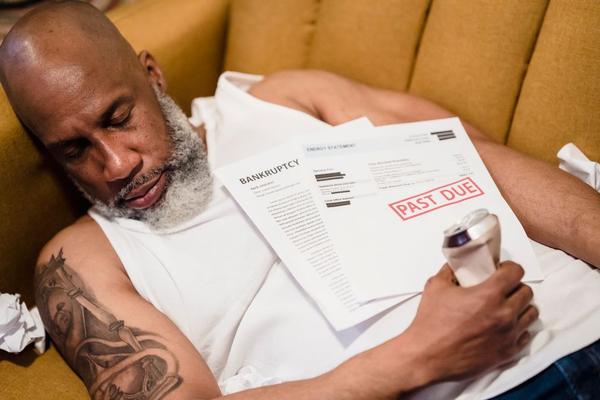

A bankruptcy filing changes how a creditor can recover money, but it does not erase every creditor right. The options depend on the chapter filed, the debt, whether collateral secures it, and court deadlines. For bankruptcy creditors, missing a notice can matter as much as the contract.
Should you file a claim? Can you challenge a repayment plan? What happens to collateral? When can collection resume? Understanding creditor rights in bankruptcy begins with the case notice and the procedures that follow.
What Changes When Bankruptcy Begins?
A consumer bankruptcy filing generally triggers the automatic stay under 11 U.S.C. Section 362. Most collection calls, lawsuits, garnishments, foreclosures, and repossessions must stop while the stay applies. Exceptions exist, but a valid debt does not automatically permit continued collection.
The bankruptcy clerk sends notices to creditors listed by the debtor. These identify the chapter, case number, court, trustee, meeting of creditors, and relevant deadlines. Compare the notice with account records, correct outdated contact information through court procedures, and monitor the docket.
At the meeting of creditors, called the 341 meeting, the trustee and creditors can question the debtor under oath. It is not a trial or an opportunity to demand immediate payment.
How to File Creditor Claims
Use the Proof of Claim
A proof of claim states the amount and basis of a debt. Official Form 410 covers the creditor, balance, security, priority, and supporting documents. Review the account as of the filing date and explain relevant interest, fees, or payments accurately.
Chapter 13 creditors generally must file timely creditor claims to receive distributions through the trustee. In a Chapter 7 case with assets available for unsecured creditors, an unsecured creditor ordinarily needs an allowed claim to share in those funds. Filing does not guarantee payment in full; available assets and statutory priorities control distributions.
Check the Deadline Carefully
Federal Bankruptcy Rule 3002 generally allows 70 days after the order for relief, usually the petition date, for claims in voluntary Chapter 7 and Chapter 13 cases. Exceptions exist, including different rules for some governmental claims. Check both the notice and applicable rules instead of relying on a generic deadline.
Many Chapter 7 cases initially have no distributable assets. The notice may instruct unsecured creditors not to file unless the court later announces an asset distribution and claims deadline. Chapter 13, by contrast, generally involves a repayment plan.
A valid secured lien is not automatically void because its holder fails to file a claim. Nevertheless, creditors seeking Chapter 13 plan payments should not assume preserving a lien preserves distribution rights.
Understanding Claim Objections
A properly filed claim is ordinarily allowed unless a party in interest objects. Disputes may involve duplicate balances, credited payments, unsupported charges, incorrect liens, or priority status. The debtor or trustee commonly raises these issues, although other parties with appropriate standing may object.
Bankruptcy Rule 3007 governs claim objections and notice. An objection generally must be served at least 30 days before a hearing or deadline to request one. Local procedures explain how creditors must respond.
Suppose a lender files a $9,500 claim, but the account shows a $2,000 payment before the petition. The lender should assemble its ledger, contract, and payment records to reconcile the amount. If an objection is filed, an informal email may not protect the claim; the required court response matters.
Can Creditors Object to a Chapter 13 Plan?
Yes. Chapter 13 plans propose how debts will be treated during repayment. A creditor may object to confirmation on recognized grounds, including improper treatment of secured debt or failure to satisfy confirmation requirements. This differs from disputing the amount of an individual claim.
Secured creditors should examine proposed payments, arrears, interest where applicable, and whether the debtor intends to retain or surrender collateral. Unsecured creditors should review proposed distributions. Plan objections have deadlines and service rules; filing a claim alone does not challenge a plan.
Chapter 13 does not necessarily repay unsecured debts in full. The required distribution depends on the debtor’s circumstances, the plan, and bankruptcy law.
Relief From Stay: When Collection May Resume
Relief from stay means bankruptcy court permission to act despite the automatic stay. Under Section 362(d), a creditor may seek relief for cause, including inadequate protection of a property interest. Other grounds can apply when the debtor lacks equity in collateral and the property is unnecessary for effective reorganization.
Imagine a car lender whose customer files Chapter 13 and later stops making required postpetition payments. The lender generally cannot repossess immediately. It may need to file a motion, give notice, and obtain relief from stay. An agreement providing adequate protection can sometimes resolve the problem without repossession.
Chapter 13 also provides a separate co-debtor stay for certain consumer debts under Section 1301. This can restrict collection against a cosigner, so creditors should examine that protection before contacting another liable person.
Discharge Is a Separate Question
A bankruptcy discharge generally removes personal liability for covered debts and bars collection of those obligations. Some debts are excepted from discharge. Certain disputes, including specified fraud allegations, require a timely adversary proceeding to determine that a debt remains enforceable.
Objecting to one debt’s dischargeability differs from objecting to a debtor’s overall Chapter 7 discharge. Neither an unpaid balance nor a failed payment plan automatically proves misconduct. Creditor objections must rest on applicable law and evidence.
A Practical Checklist for Creditors
Upon notice, pause prohibited collection, confirm the chapter and deadlines, preserve records, identify collateral, and review the docket. Decide whether to file a claim, respond to an objection, oppose plan confirmation, or seek stay relief. For related background, see guides to Chapter 7 bankruptcy, Chapter 13 repayment plans, and the automatic stay. Legal advice may be useful for disputed or secured claims.
Frequently Asked Questions
Can a creditor collect after bankruptcy is filed?
Usually not through ordinary collection while the automatic stay applies. A statutory exception or court order may permit specific action. Collecting discharged personal debts is generally prohibited.
Must every creditor file a proof of claim?
No. Chapter 13 creditors generally need timely claims for plan payments. In Chapter 7 no-asset cases, unsecured creditors may initially be instructed not to file.
Can creditors object to a bankruptcy plan?
Yes. Creditors with appropriate standing may object to Chapter 13 confirmation for legally recognized reasons, subject to deadlines and court procedures.
What if a claim is filed late?
A late claim may lose eligibility for payment, although exceptions or alternative filing procedures can apply. Review the notice, federal rules, and case circumstances promptly.
Protecting Your Position
The most useful creditor rights in bankruptcy are procedural: timely claims, supported objections, careful plan review, and appropriate motions for relief from stay. Matching the right response to the right deadline protects legitimate interests while respecting the protections bankruptcy provides debtors.